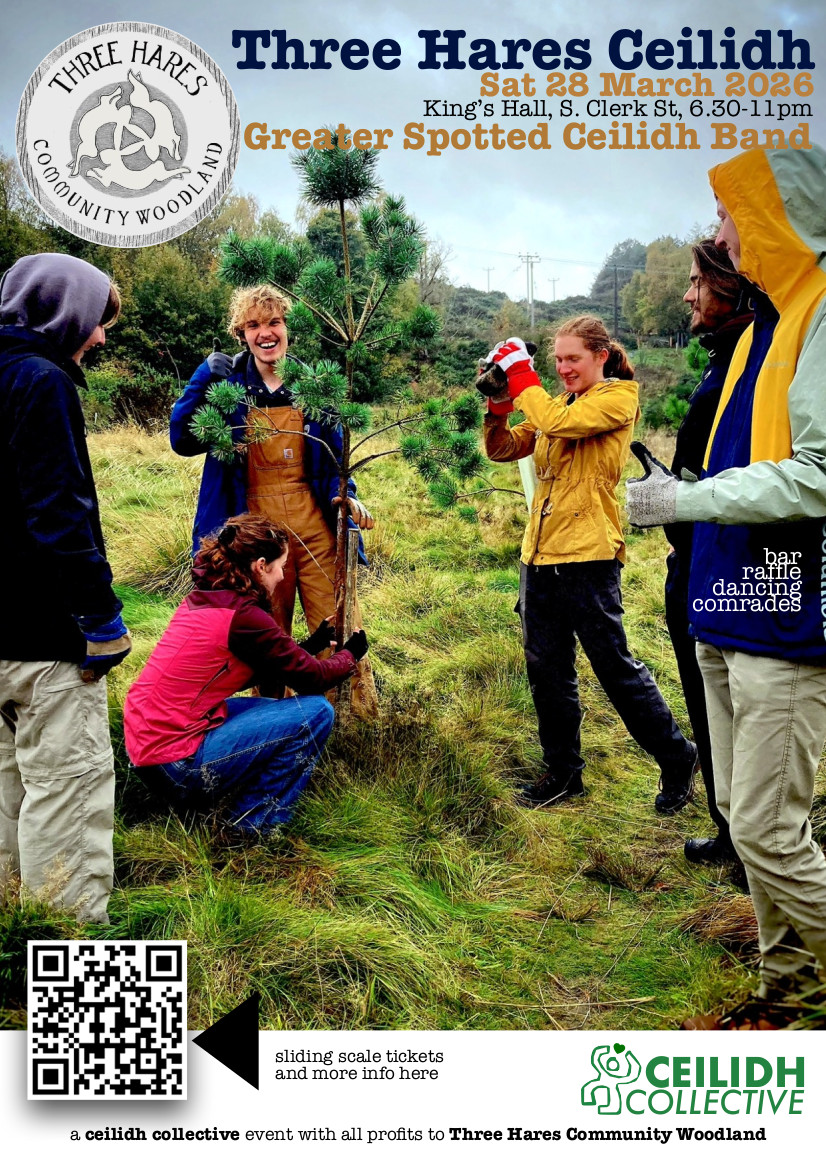
Have you got your tickets yet for the fundraiser ceilidh on 28th March in Edinburgh? https://www.tickettailor.com/events/ceilidhcollective/1962199 Dance to raise much needed funds to cover the running costs of Three Hares, so as we can continue to thrive and support the groups that we host at the woodland. The incredible Greater Spotted Ceilidh Band are providing the tunes. There will be bar and raffle, all hosted by the wonderful Ceilidh Collective.
Our usual monthly Volunteer Day lands on the last Sunday of every month. That would be the day after the ceilidh, so we are moving it forward to THIS SUNDAY, 22nd March. 11am-2pm. Sorry for the late notice!
Buy your tickets for the Three Hares Fundraiser Ceilidh, with the Ceilidh Collective. It’s on Saturday 28th March from 6:30-10:30pm at the King’s Hall, Edinburgh. Music from the Greater Spotted Ceilidh Band. Food, drink, raffle, twirling and burling!! Buy tickets here: https://www.tickettailor.com/events/ceilidhcollective/1962199
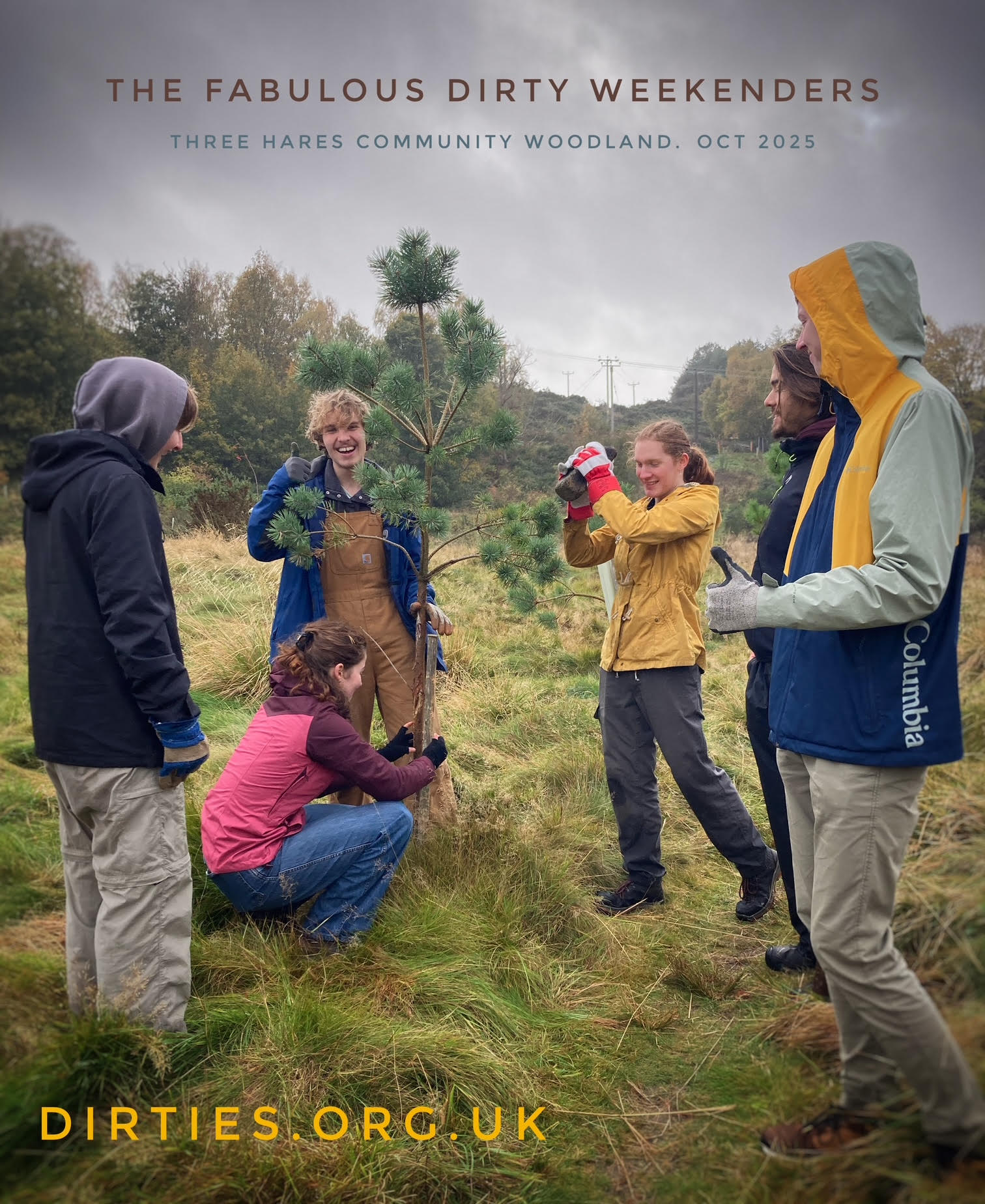
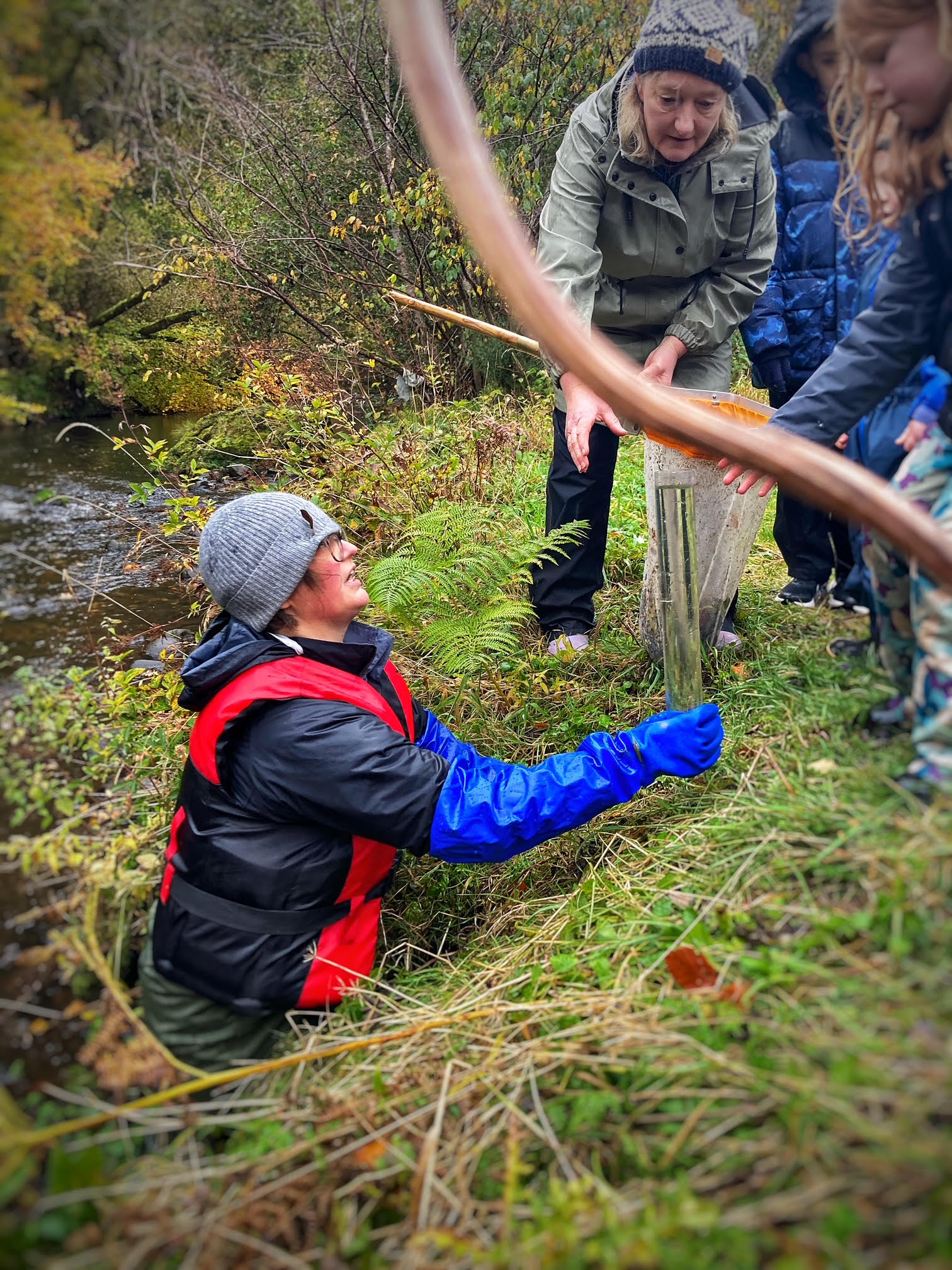
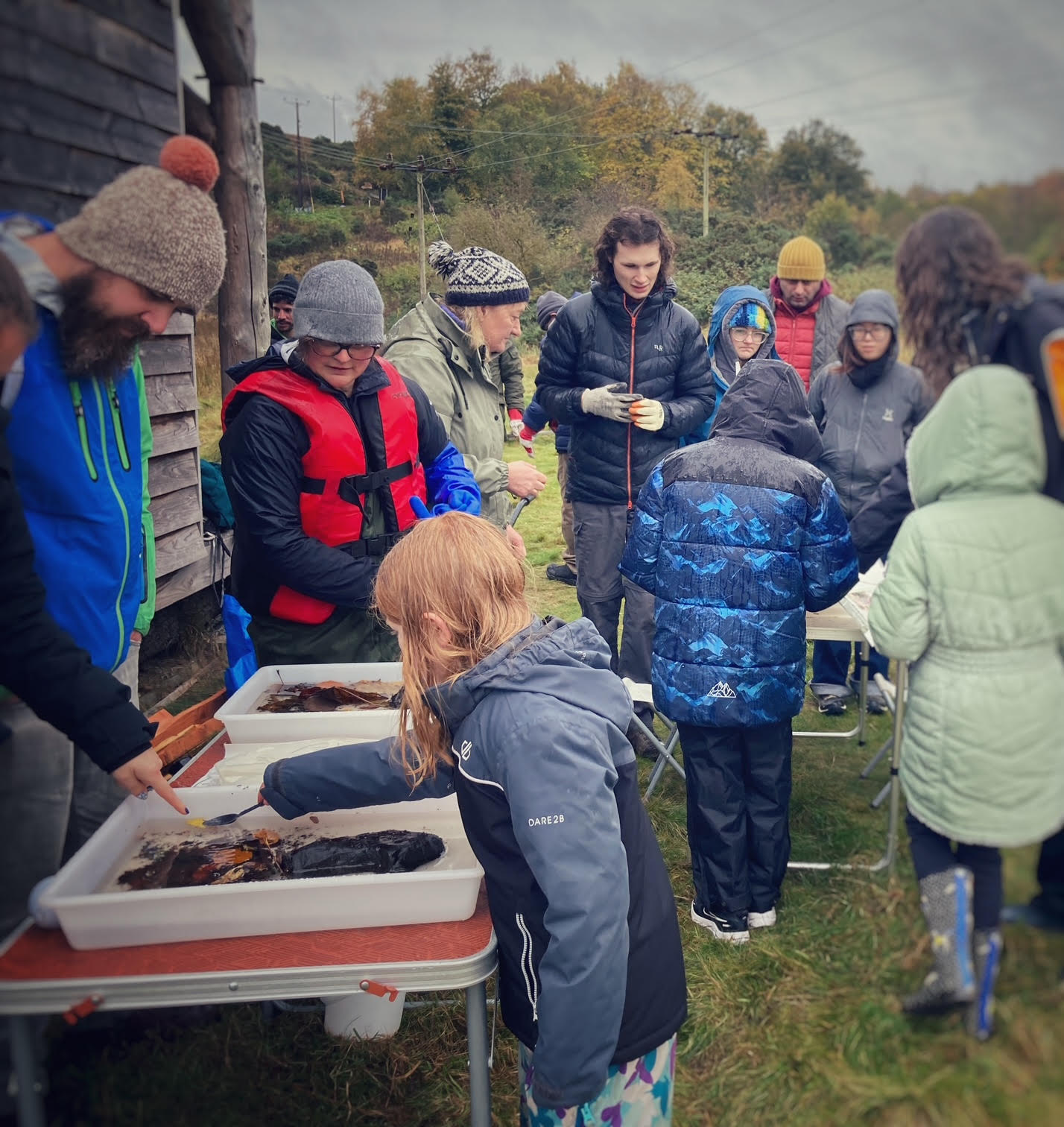
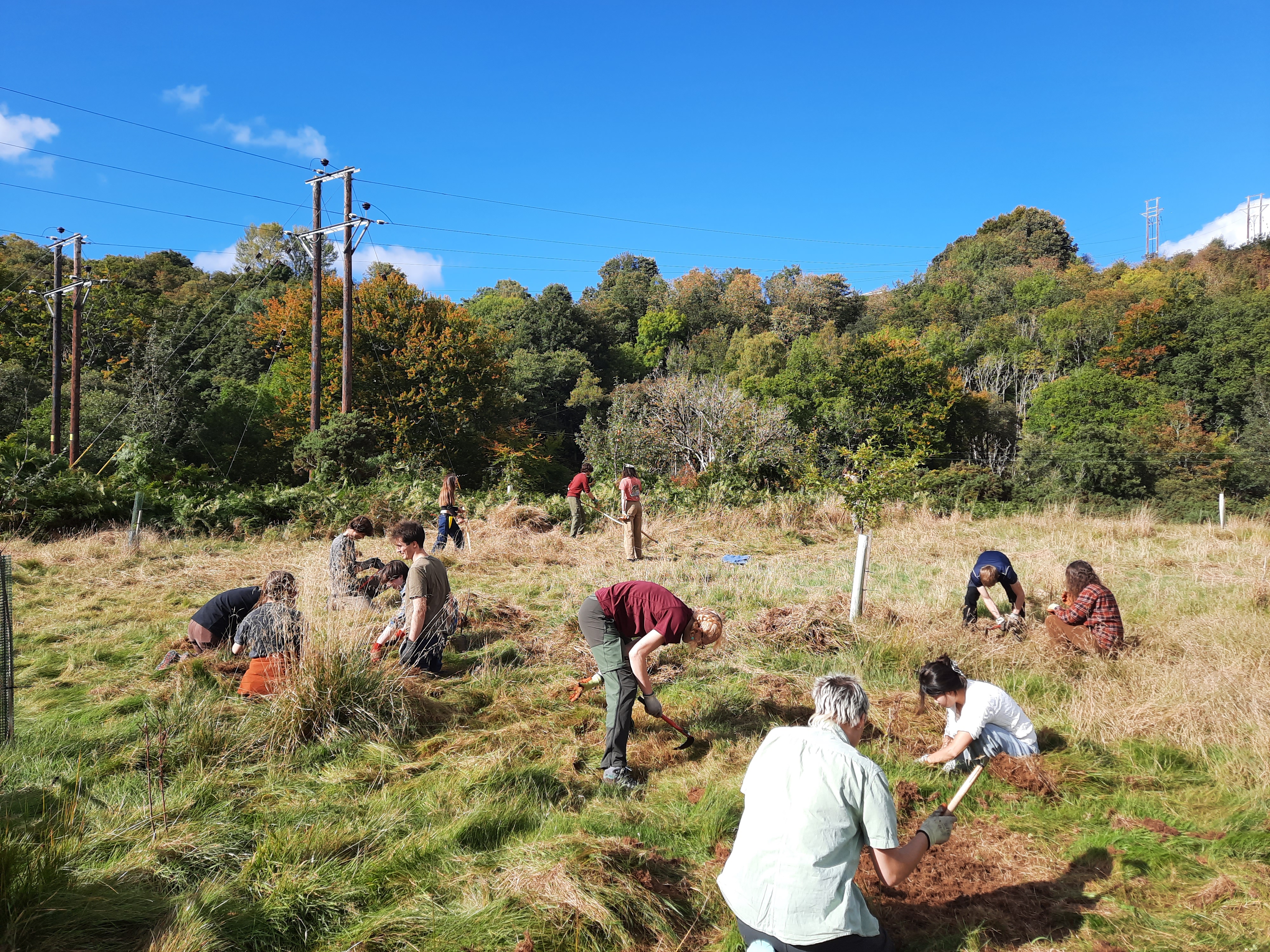
Thanks, once again, to The Dirty Weekenders (Edinburgh Uni Conservation Society), Care4Calais and all our other Volunteers who came along for the October volunteer Day.
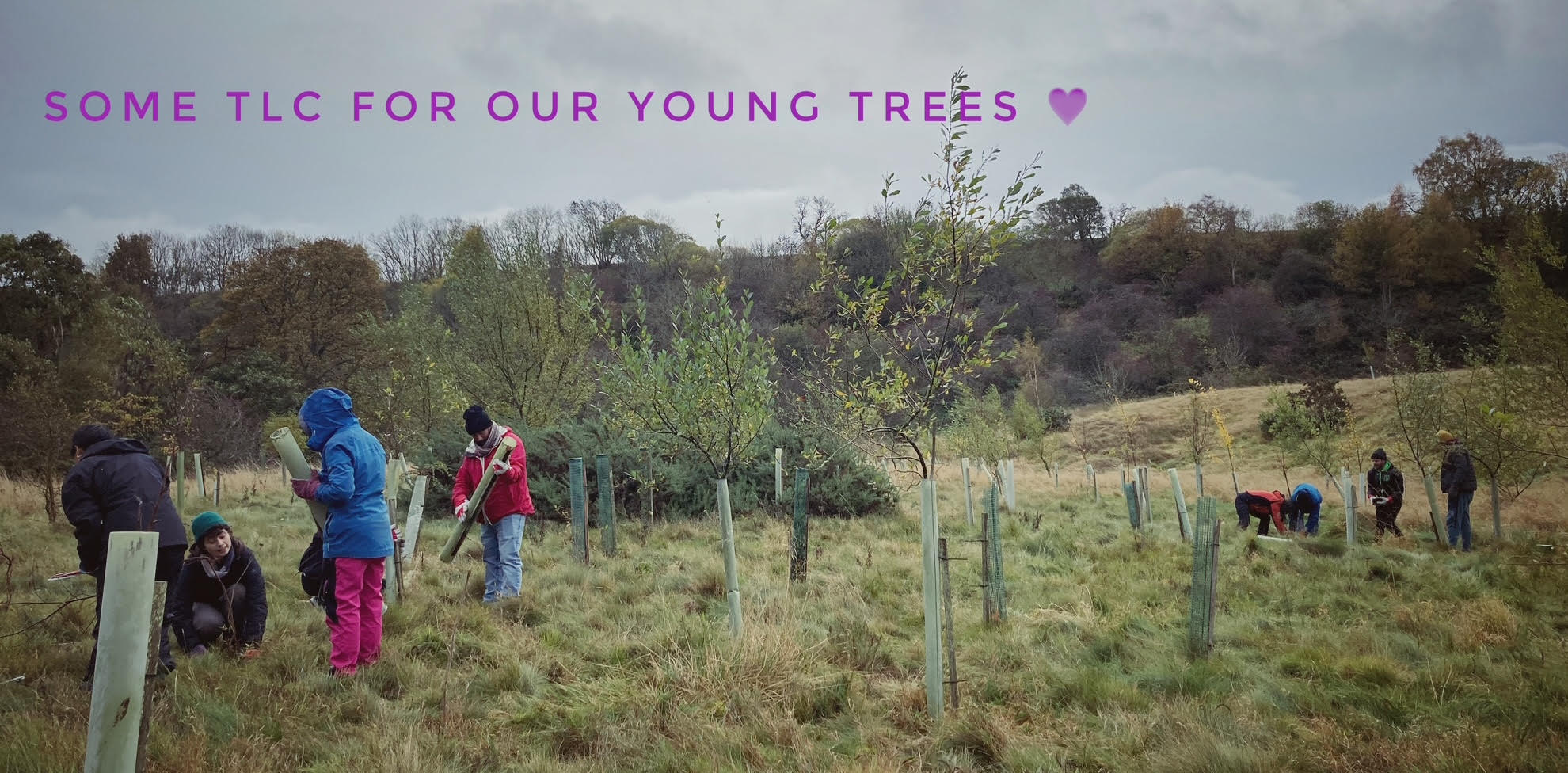
We had Riverfly on The Esk come to take samples from the Esk, which the volunteers helped sort. The Dirty Weekenders along with some volunteers from Care4Calais (Refugee/Asylum Seeker Group) also did some much needed tree care before the Winter. Tree guards were replaced to protect from deer browsing and our planted trees got some TLC.
Last Volunteer Day this year is 30th November from 11am-3pm. All welcome. We take a break for December and will resume again on 25th January 2026.
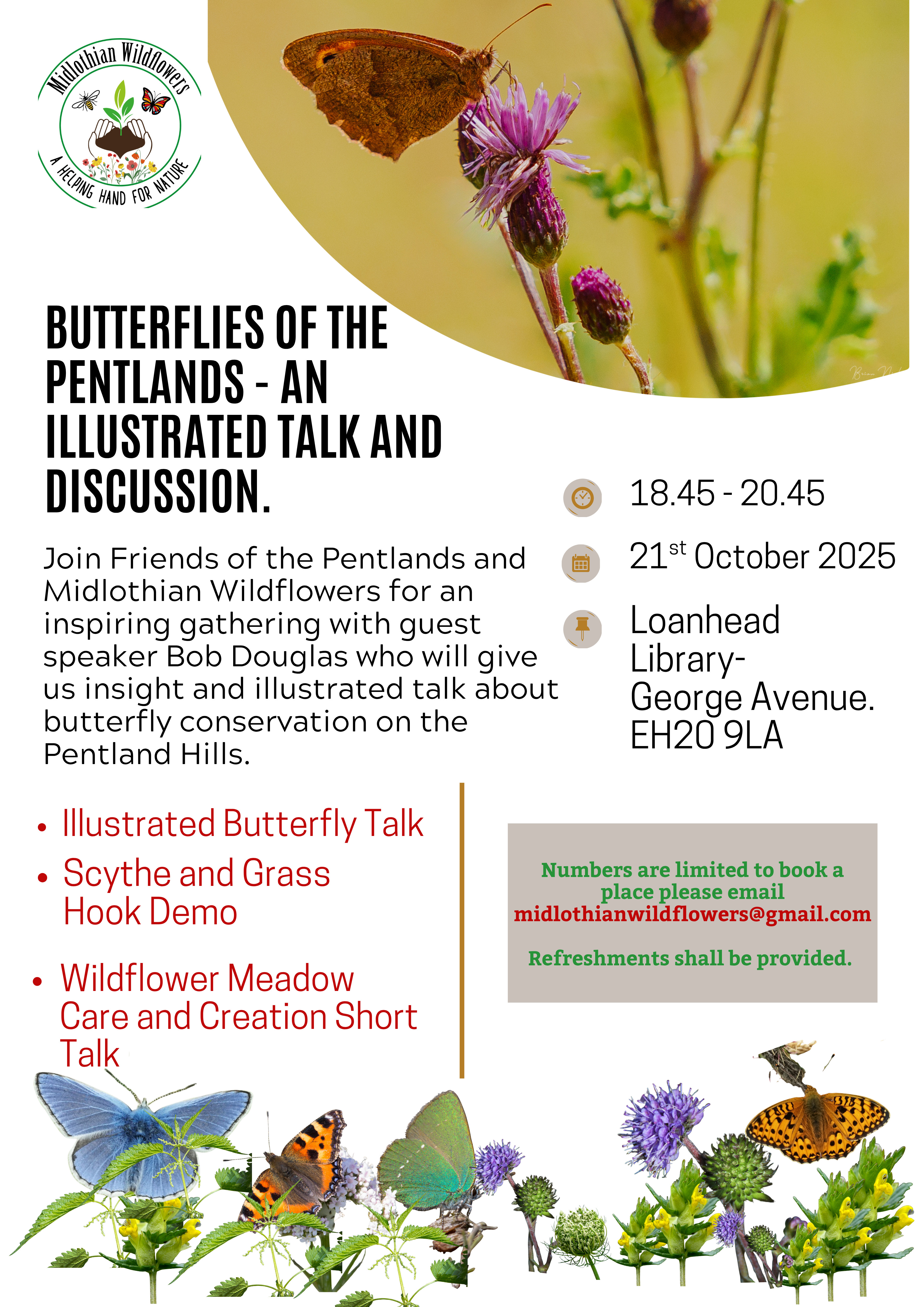
Sharing info of this Butterfly event organised by Midlothian Wildflowers, happening on the 21st Octotber in Loanhead Library. Entry is FREE and refreshments will be provided. Email midlothianwildflowers@gmail.com to book a place as numbers are limited.
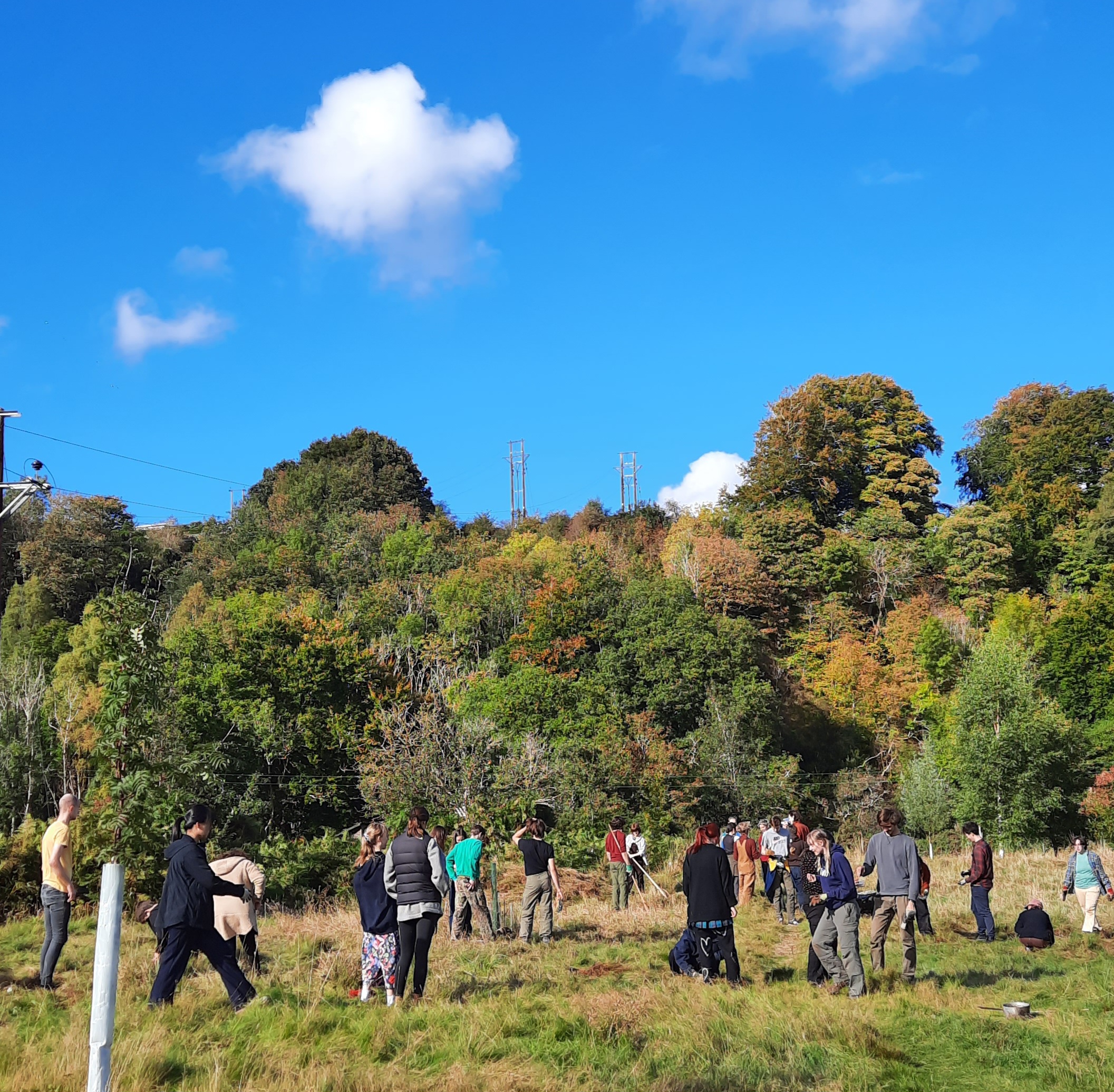
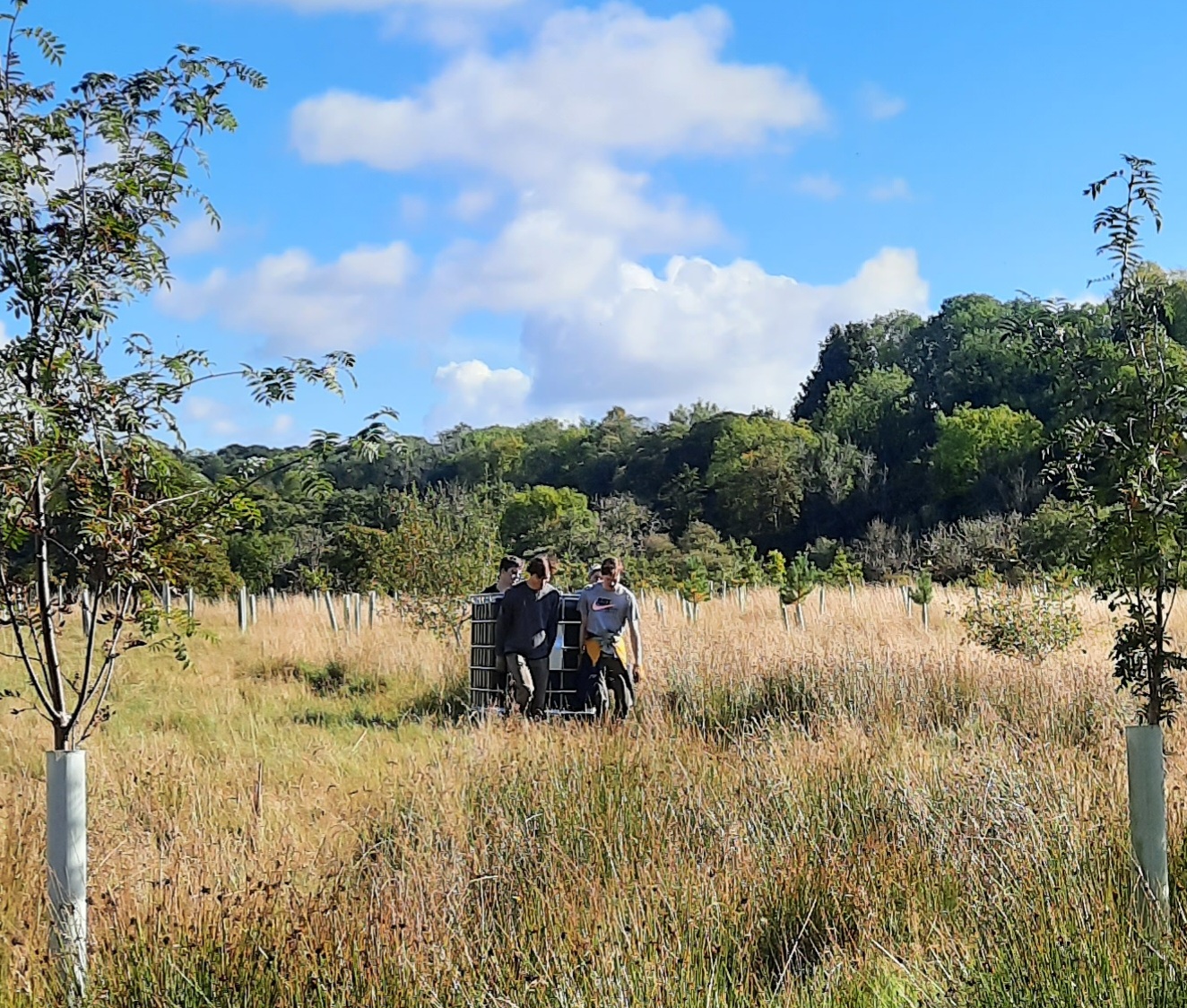
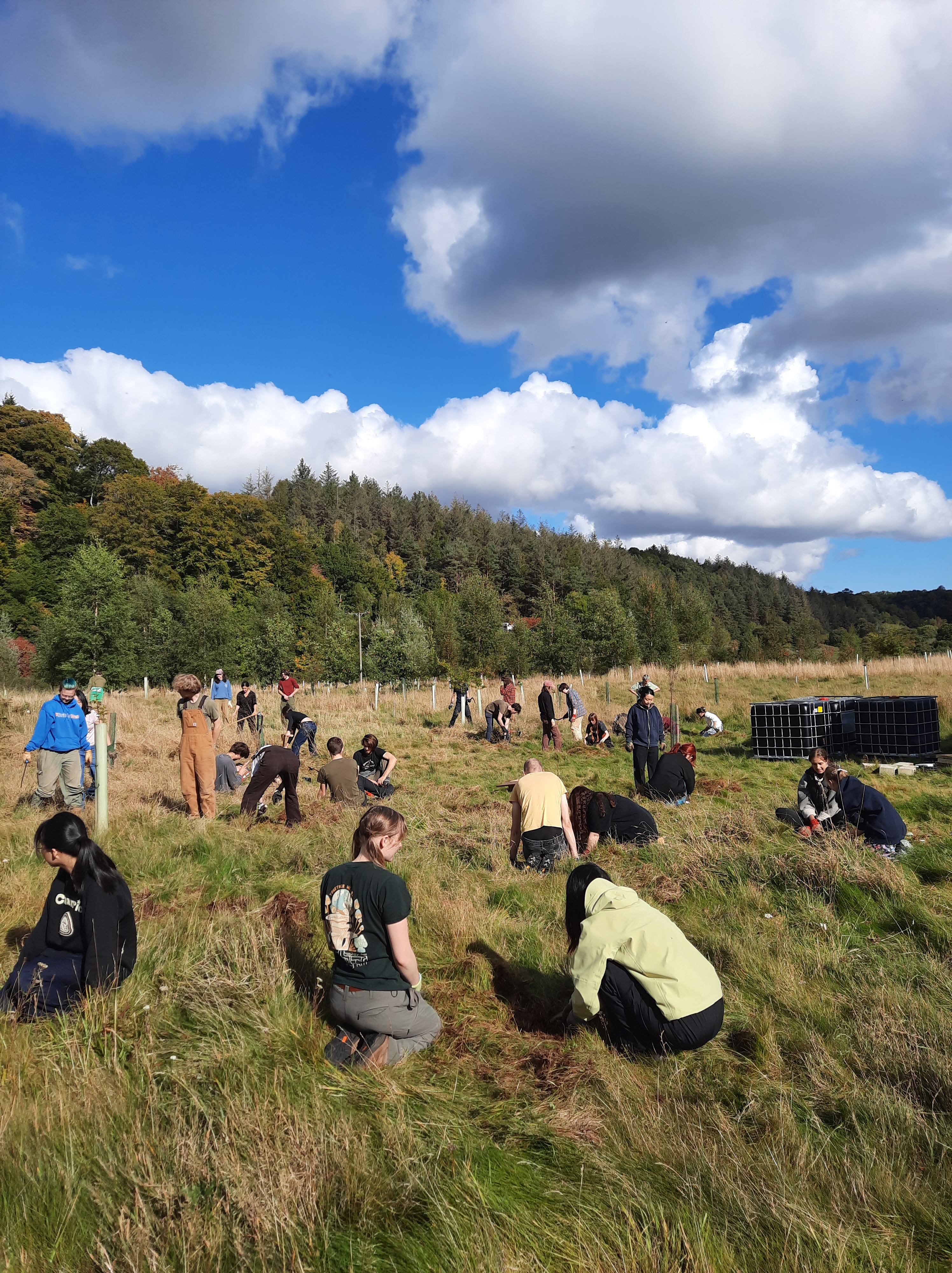
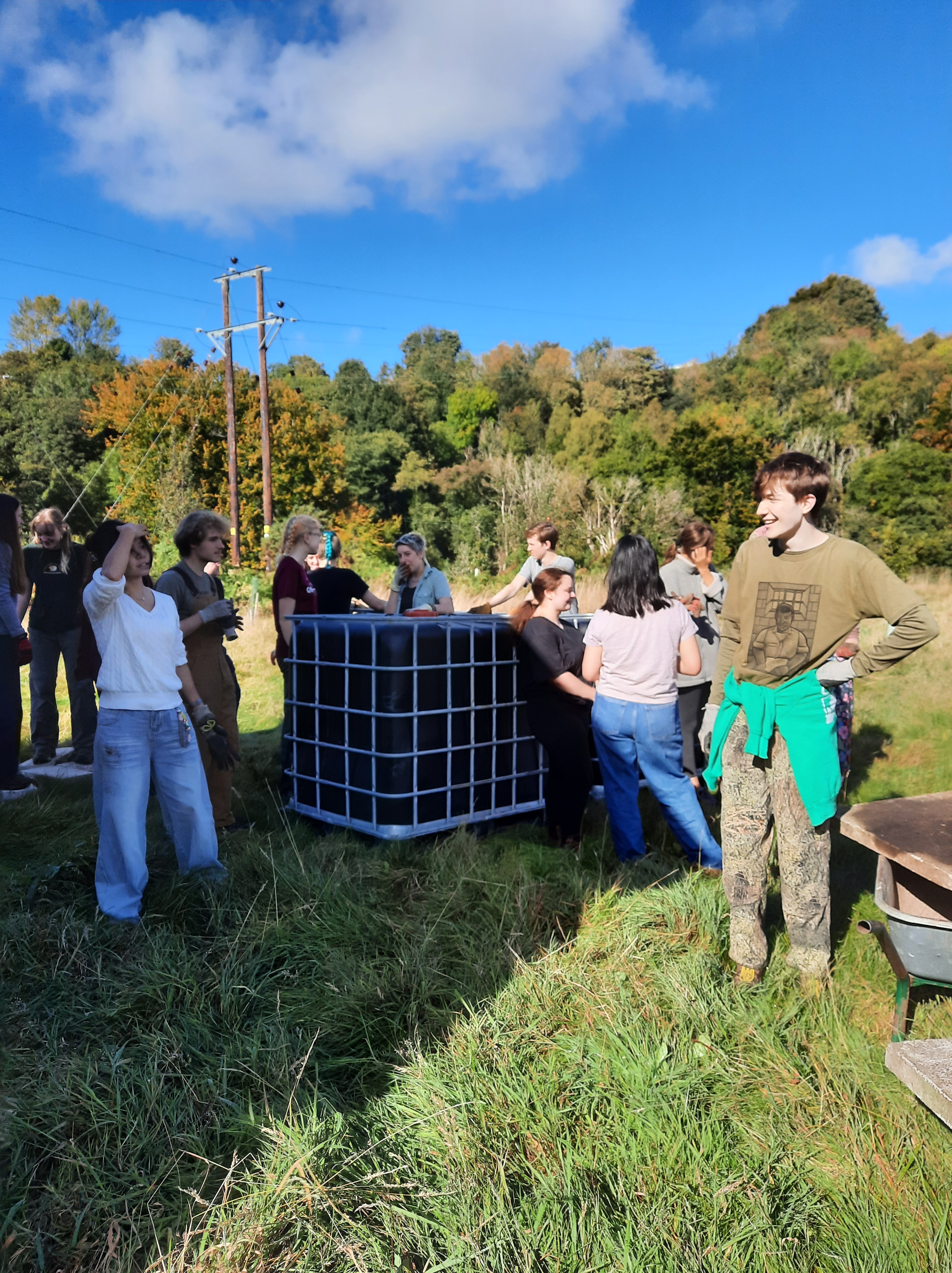
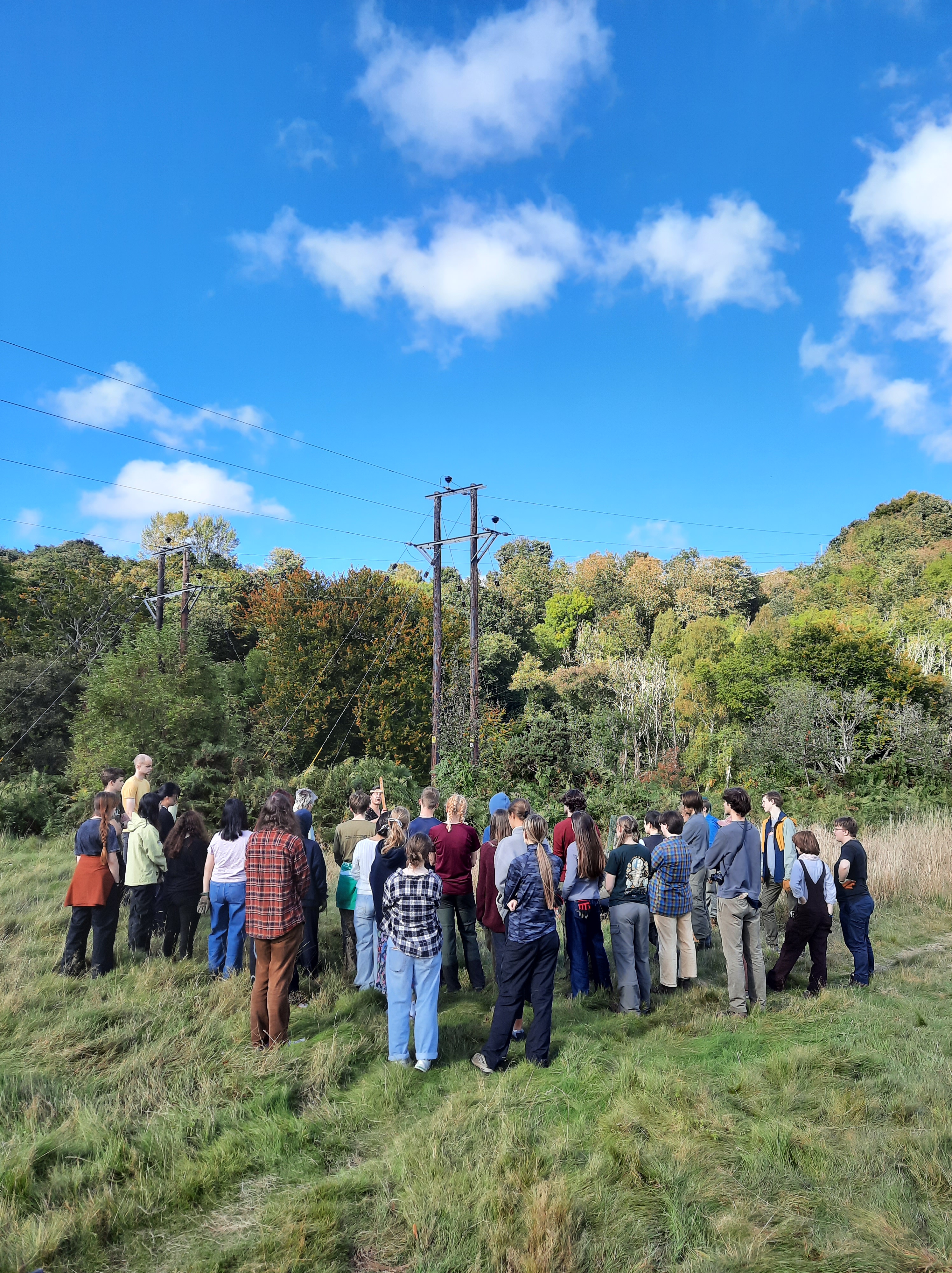
Thanks to the 35 strong team of Dirty Weekenders (Edinburgh Uni Conservation Society) who came to the Volunteer Day last Sunday (28th September).
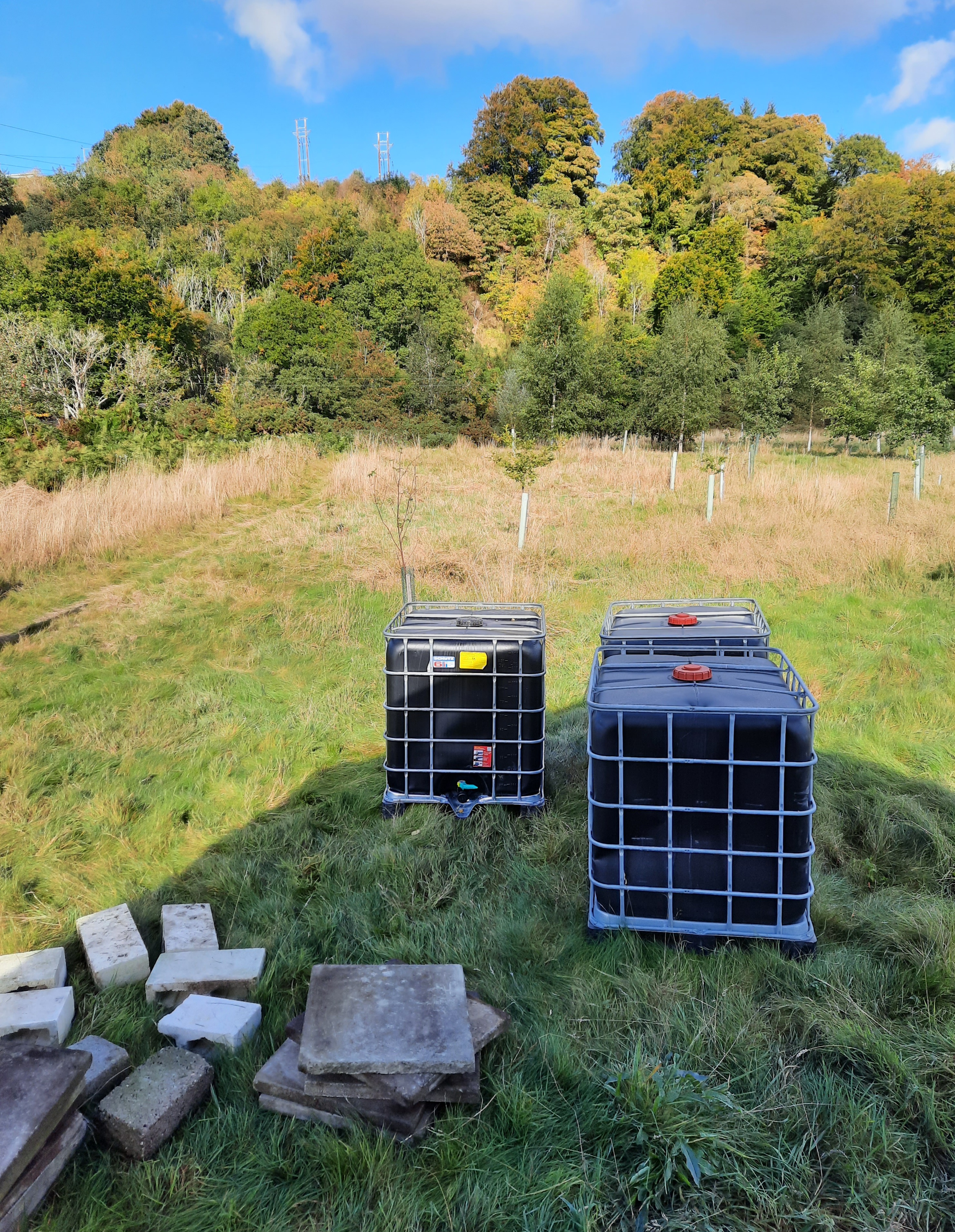
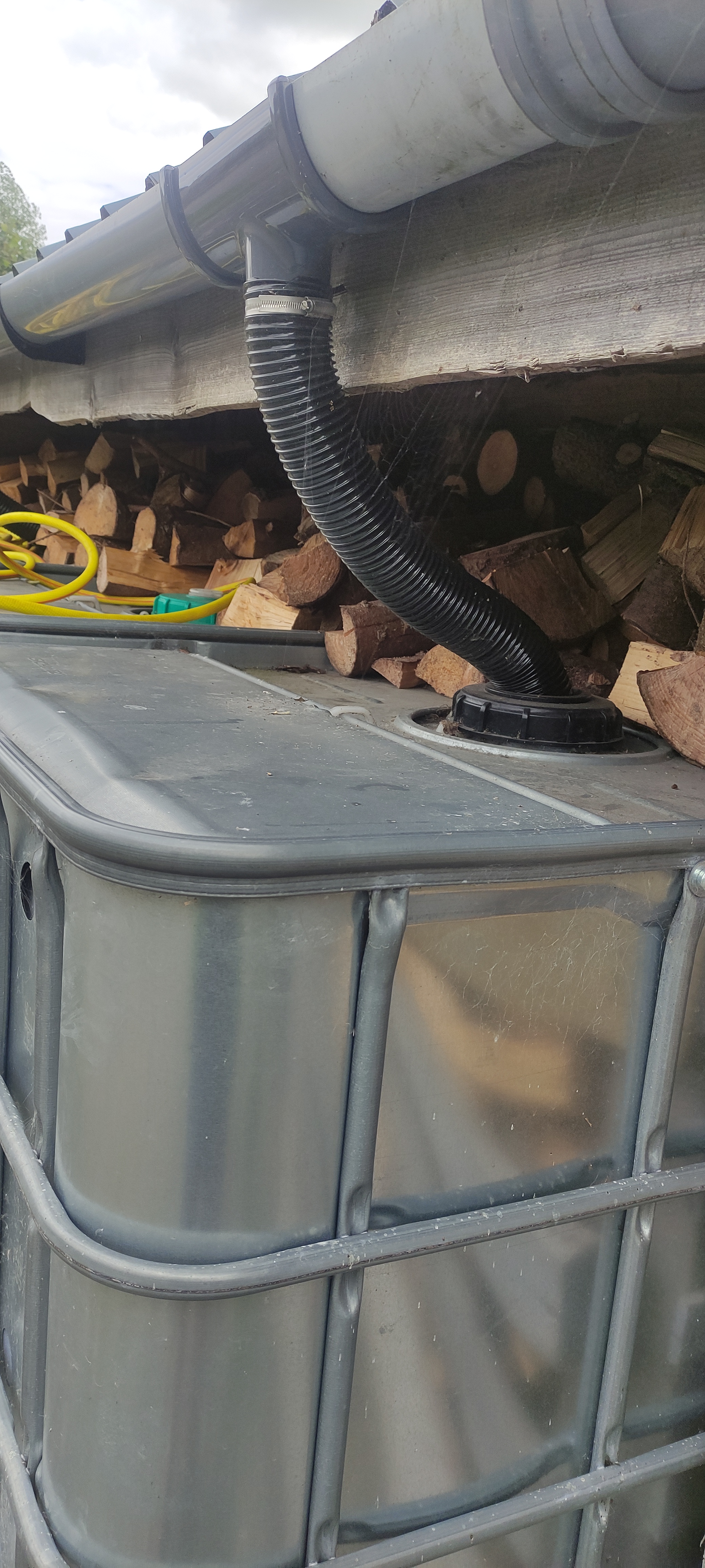
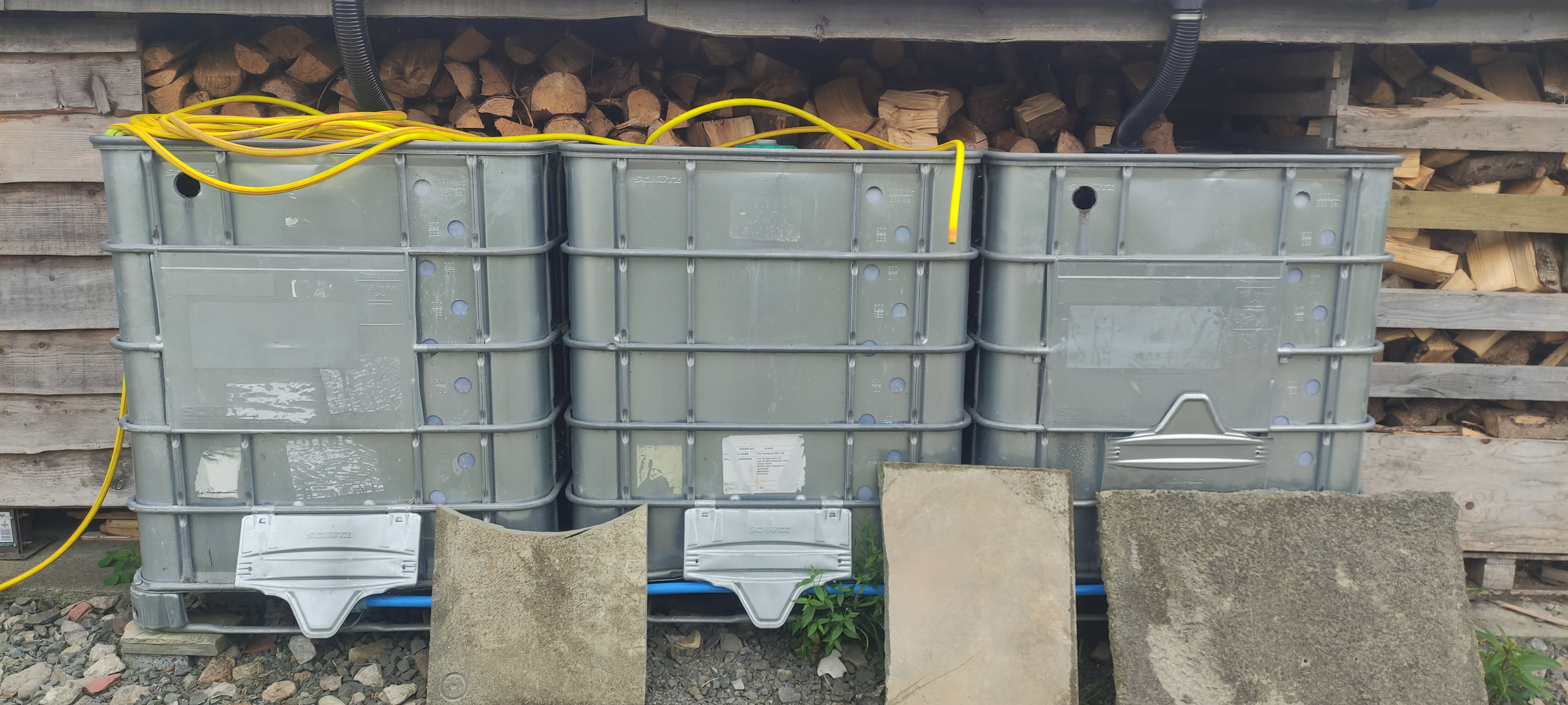
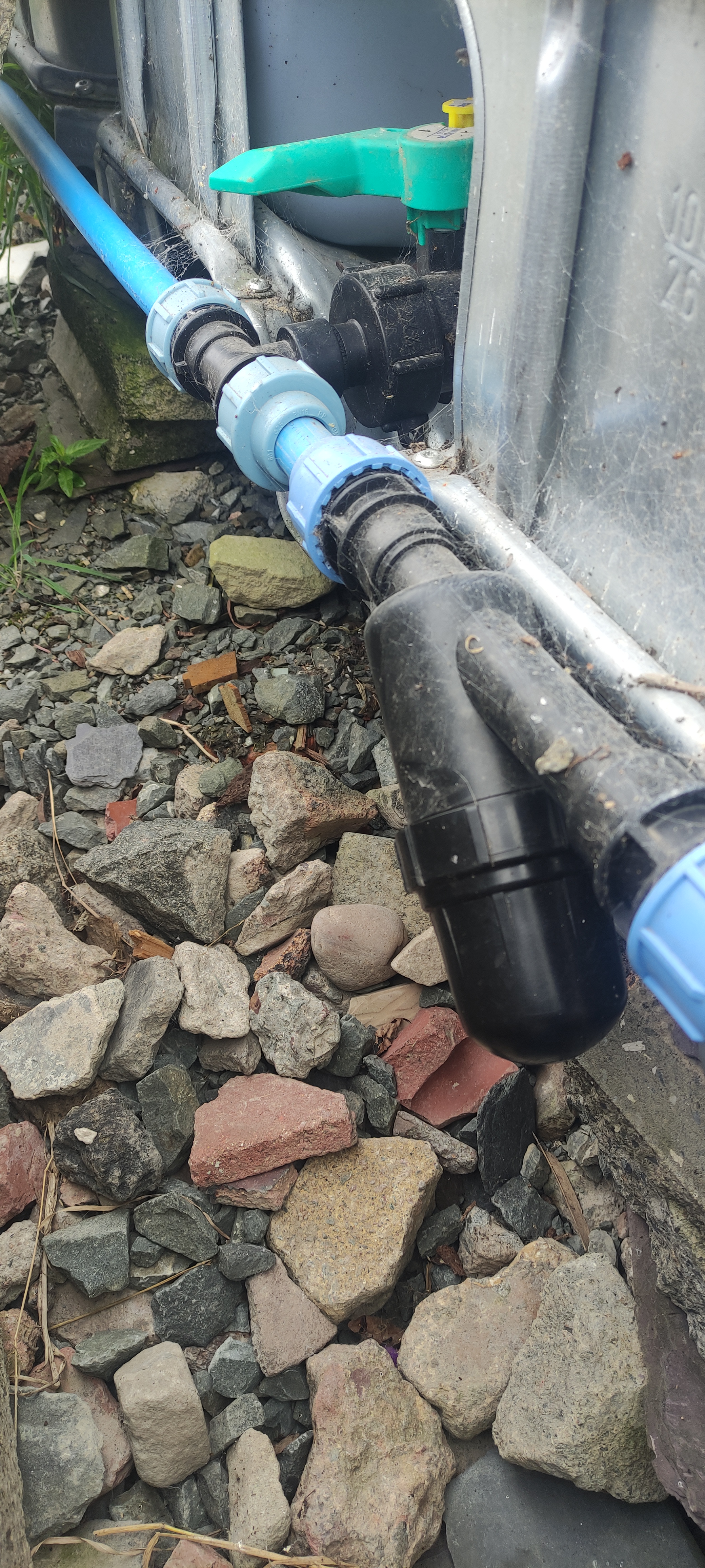
They took part in shifting ALL the materials needed for the Rainwater Harvesting Catchment System into the land from the path, including 3 x 1000l water tanks, breeze blocks, paving slabs and gravel.
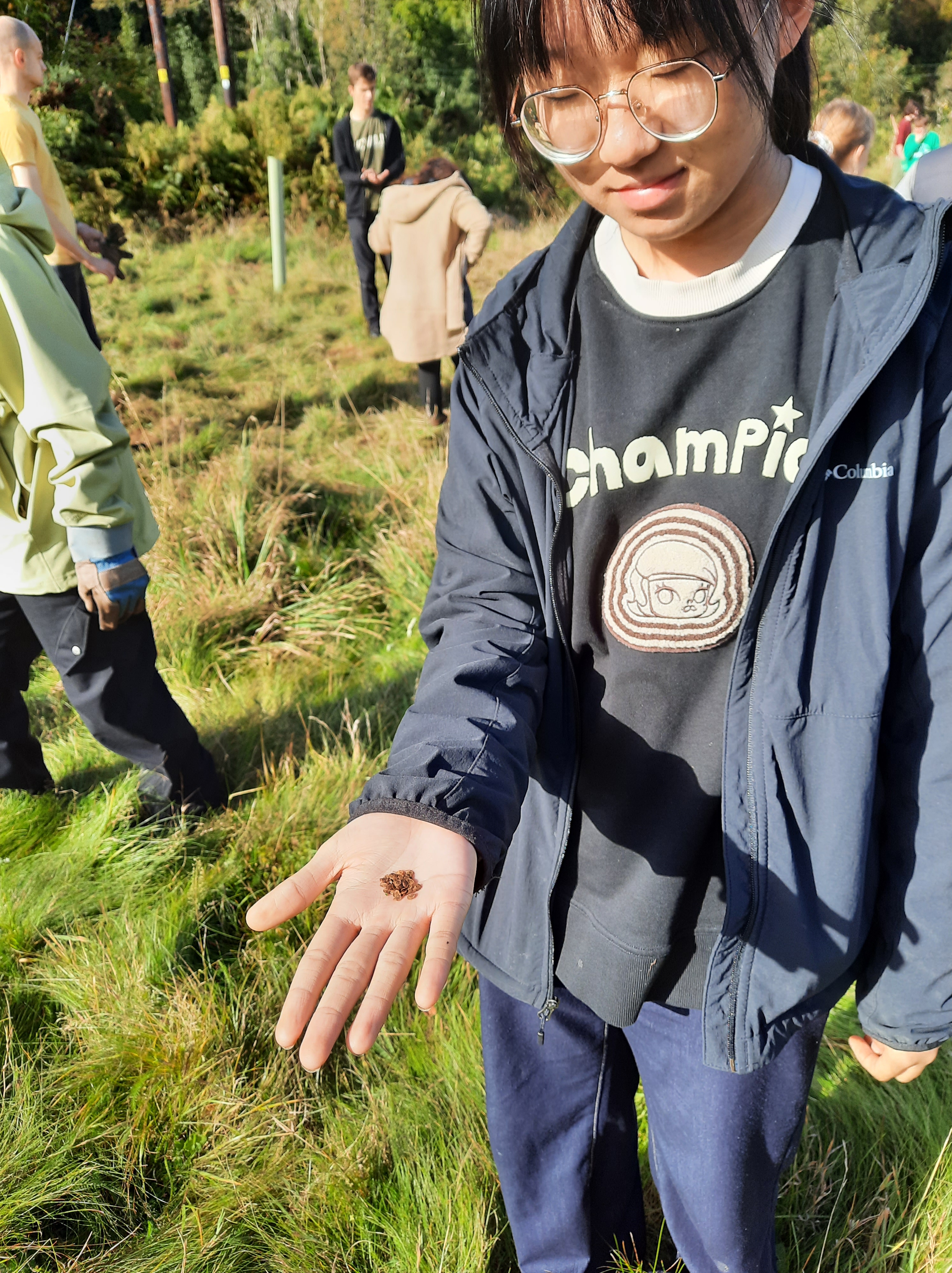
We also had a scything talk and demo by Julia, and used scythes and sickles to bare some earth in the tough grass to sow Yellow Rattle seed (saved by Julia) for the creation of a wildflower meadow, helping to create more biodiversity at Three Hares.
Thank you Dirty Weekenders. They really do get the job done!!
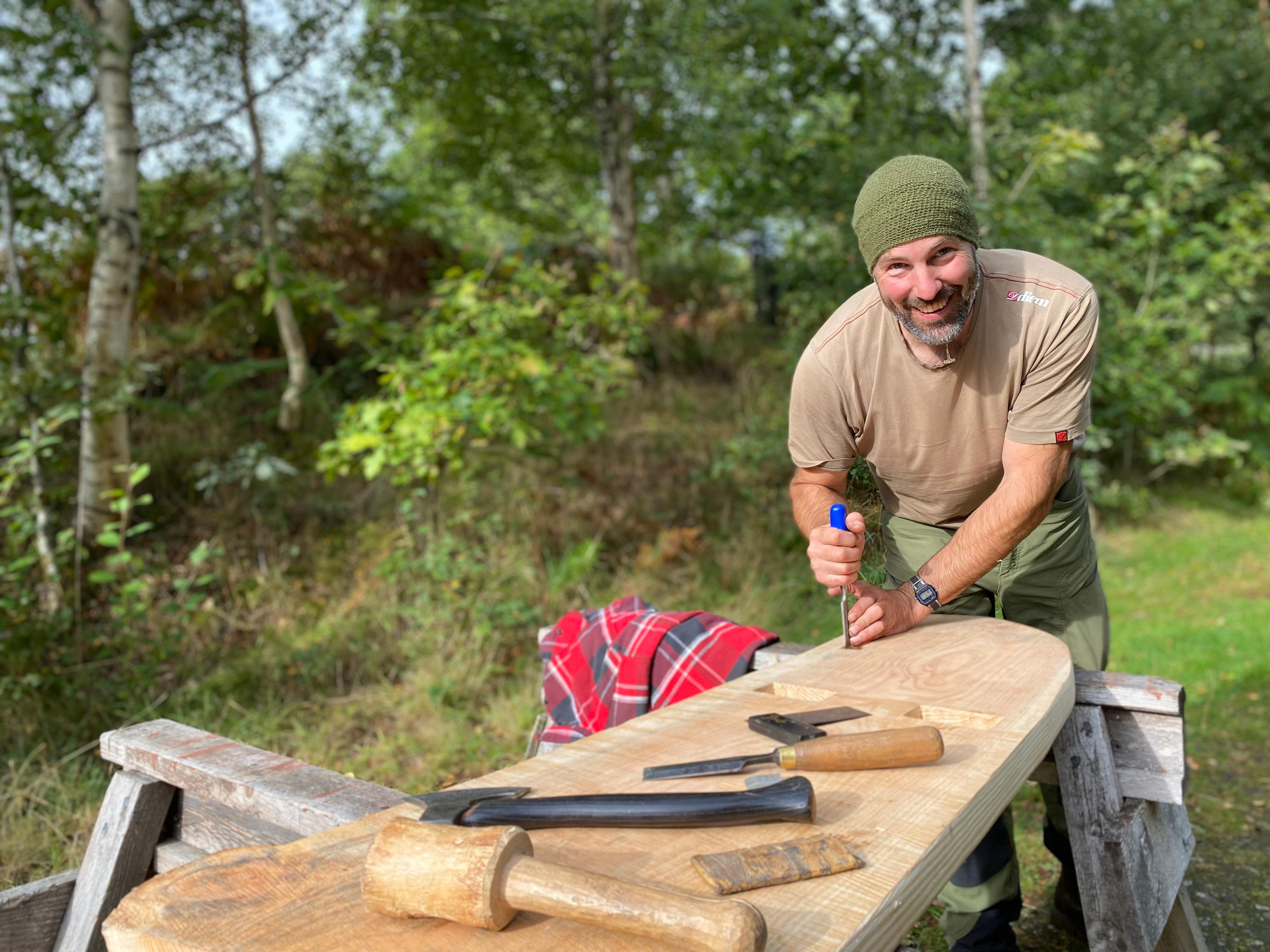
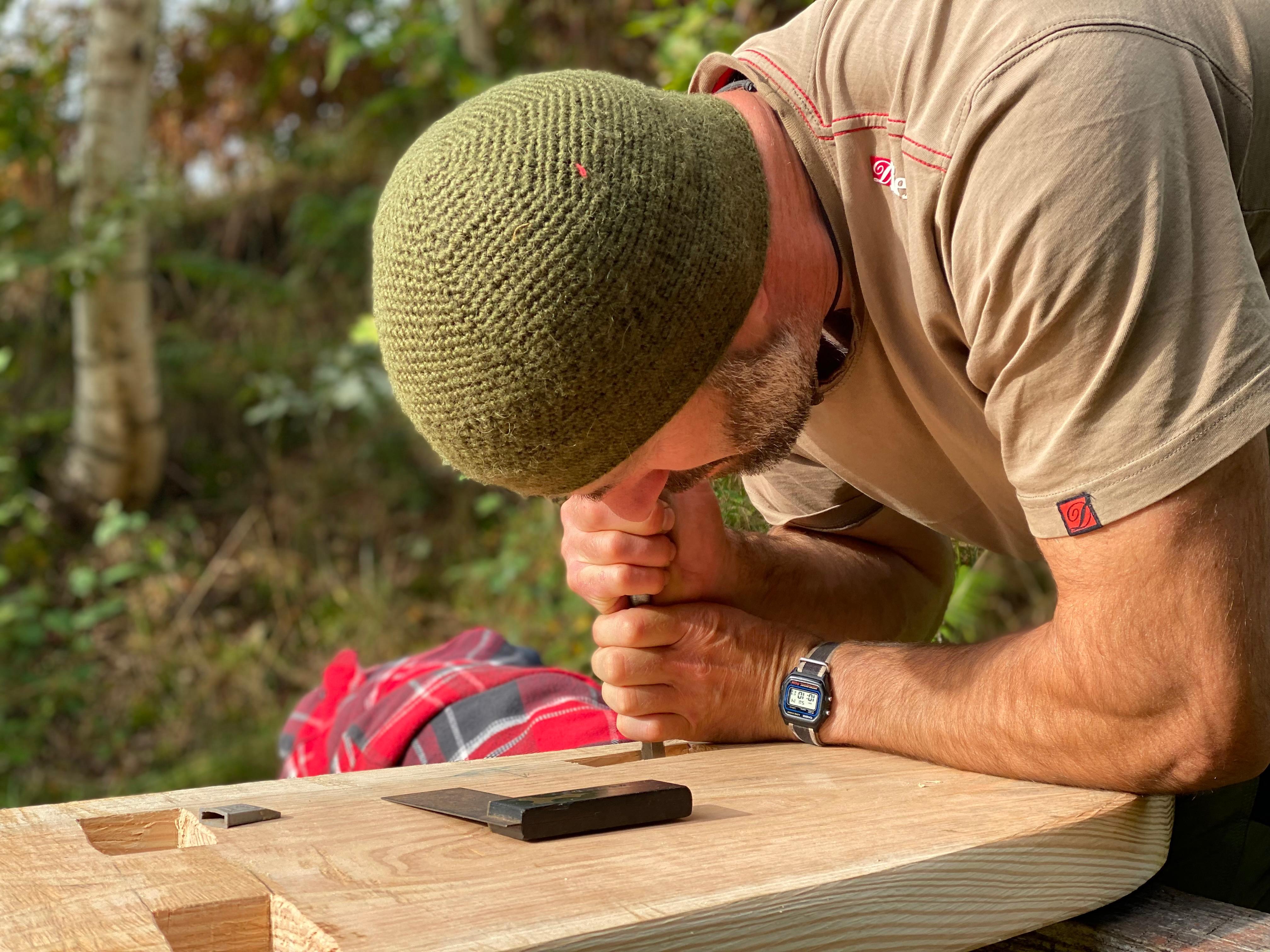
Want to learn some basic woodwork and traditional joinery techniques? All whilst creating something practical for Three Hares? For FREE? Sign up to our Gate Building Workshops, places still available! Email threehareswoodland@gmail.org NO PREVIOUS EXPERIENCE NECESSARY!
The workshops are taking place at Three Hares Community Woodland on 1st, 2nd and 7th October from 10am-4pm. You do not have to commit to all the sessions.
Work gloves and tools provided but please bring lunch, drinking water and appropriate clothing/footwear.
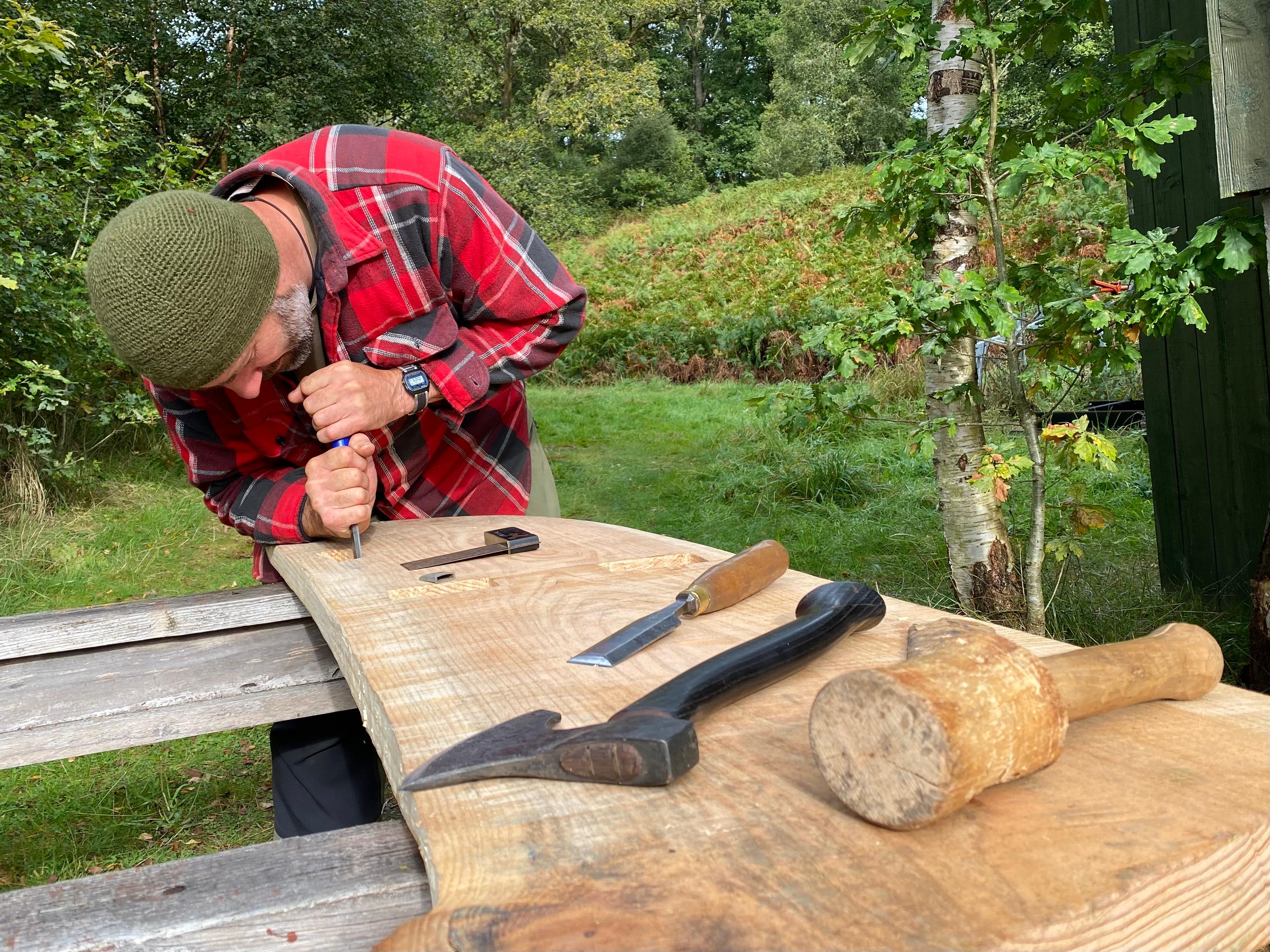
Our very old gate at the main entrance to Three Hares finally fell apart! We’re going to build a new one and you could help. We are offering places for a FREE Community Gate Build Workshop with Sven Rasmussen from 10am-4pm on 1st, 2nd and 7th October. Places are limited.
The new gates for the Three Hares Woodland will be built using rough sawn, locally sourced timber. We will be using a mixture of hand tools and some battery-operated power tools, and some traditional joinery techniques.
Email threehareswoodland@gmail.com for a place if you are interested in learning new skills, brushing up on old ones, or would just like to lend a hand. No previous experience necessary.
You will need to bring suitable footwear, your own lunch and snacks, and drinking water. Any tools being used and work gloves will be provided.
A reminder to email if you’d like to attend on some or all of the days. Places are limited, but priority may be given to those who can attend all 3 sessions.
Help install a rainwater catchment system at Three Hares Community Woodland.
We will be installing a 3000L, non potable (not drinking water) rain water system for washing up, watering trees and as a fire safety measure.
Learn some basic landscaping, plumbing and joinery skills.
Day 1 : Oct 4th. Landscaping the ground, laying foundations and installing the tanks
Day 2: Oct 11th. Plumbing the tanks in, cladding them with wood.
Both days are 10am – 3pm
Preference may be given to those who can attend both days.
Max 6 people per day.
Please bring: Outdoor work clothes and gloves (we do have some work gloves if you don’t), packed lunch, lots of drinks and water. There is no drinking water on site.
Leader for the day is Permaculture teacher and small holder, James Chapman
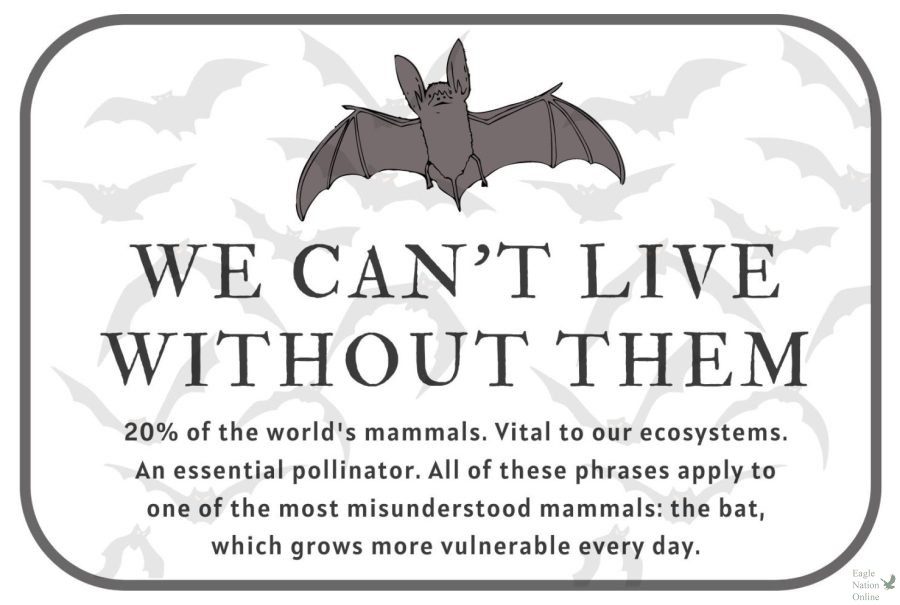
The public path that borders Three Hares has recently been resurfaced. Now Midlothian Council are planning to light it up at night, which we know would be detrimental to the wildlife here, especially moths and bats. They have a public consultation here https://midlothiancouncil.citizenspace.com/communications/path-lighting/ which closes on the 19th September.
The wording that Midlothian Council has used in the text of this link shows that they have not fully grasped the consequences of lighting this area. A concerned local has noted that :
“Numerous peer-reviewed scientific studies show that artificial lighting has a severe negative impact on wildlife, both nocturnal and diurnal, whereas the text claims that it will actually protect nature. The text also wrongly implies it will benefit dark skies. It fails to mention the instant urbanisation of one of the last truly wild places in Midlothian, which borders an ecological restoration site, ancient woodland and a nature reserve.”
We also know that the site has not been surveyed by a bat specialist, in regards to lighting here, but we do know that there are 5+ species of bat here, and that artificial lighting will impact not only their habitats but also their foraging pathways.
Please support us and send your thoughts to the Public Consultation via the ink. It literally takes 1 minute (only 2 things to click) to help protect this wild space in the midst of urban sprawl.








 three hares woodland